Leveraging Technology for Energy Efficiency in Commercial Buildings: Innovations for 2026
In 2026, technological advancements offer unprecedented opportunities for UK commercial facilities to enhance energy efficiency. Embracing these innovations can lead to significant cost savings and sustainability gains.
The Role of Technology in Modern Energy Efficiency
From straightforward consumption reduction to intelligent optimisation, energy efficiency has changed throughout time. Large volumes of operational data are produced by modern facilities, and whether a building operates proactively or reactively depends on its capacity to use that data.
Emissis’s primary goal is to assist organisations in transforming energy management into an organised, data-driven field. Facilities teams can transition from manual monitoring to automated insights, continuous improvement, and observable adherence to environmental requirements thanks to technology.
Emerging Technologies Transforming Commercial Energy Management
Advanced Building Management Systems (BMS): Centralised Control and Optimisation.
Building management systems of today serve as a facility’s operational brain. Modern BMS platforms coordinate lighting, ventilation, heating, and cooling holistically rather than separately.
Important advantages include:
- Centralised view of every building system
- Automated scheduling that takes occupancy trends into account
- Decreased energy loss due to incompatible system functions
- Increased productivity and comfort
Without requiring expensive retrofits, a BMS can provide significant efficiency savings when configured and maintained correctly.
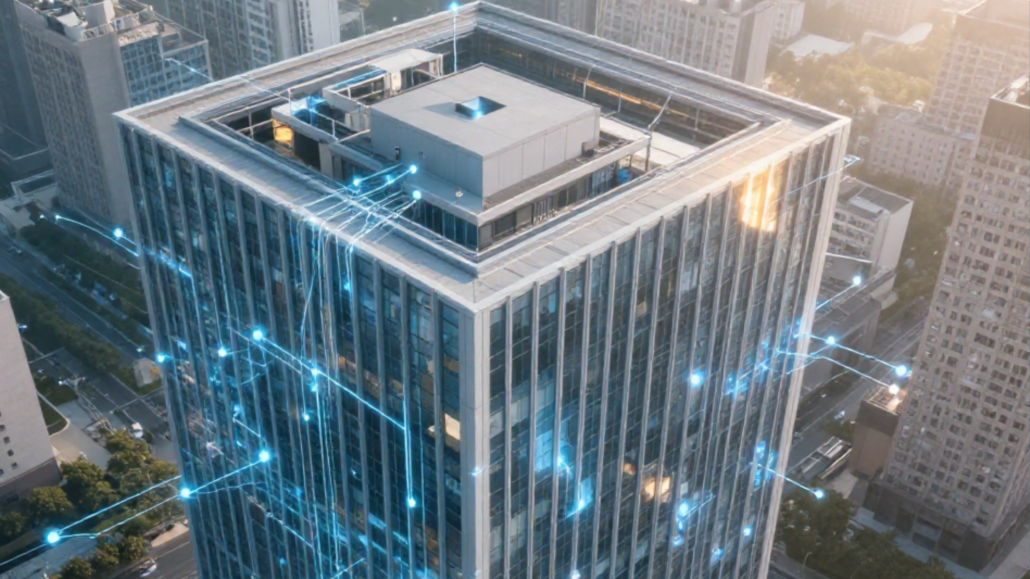
Internet of Things (IoT) Sensors: Instantaneous Information for Well-Informed Choices
IoT sensors offer detailed, real-time information about how buildings function, not simply how they were intended to.
These sensors have the ability to observe:
- Changes in humidity and temperature
- Levels of occupancy
- Equipment performance and runtime
- Energy usage at the asset level
- Quality of indoor environment
Facilities staff can swiftly discover inefficiencies, confirm changes, and support evidence-based decision-making thanks to this ongoing data stream.
Artificial Intelligence (AI) and Machine Learning: Predictive Maintenance and Energy Forecasting
AI and machine learning transform raw data into actionable intelligence.
Applications include:
- Predicting equipment failures before they occur
- Identifying abnormal energy consumption patterns
- Forecasting future demand based on historical trends
- Optimising system performance automatically
Instead of reacting to breakdowns or unexpected energy spikes, organisations can plan maintenance and operations proactively, reducing downtime and avoiding costly emergency interventions.
Integrating Renewable Energy Sources: Solar Panels and Wind Turbines
An increasingly useful part of energy strategy is on-site renewable production. For business buildings, solar photovoltaic systems in particular can greatly reduce grid electricity demand.
When paired with intelligent control and monitoring systems, businesses can:
- Real-time tracking of generation versus consumption
- Optimise energy consumption to correspond with output.
- Encourage the decarbonisation goals
- Boost resistance to fluctuations in energy prices
Instead of being viewed as stand-alone installations, renewable energy sources perform best when included into a larger framework for energy management.
Making Implementation Simple, Scalable, and Future-Ready
Adopting advanced energy technologies no longer requires disruptive overhauls or specialist in-house expertise. Modern solutions are designed to integrate smoothly with existing infrastructure, delivering rapid benefits with minimal operational impact.
At Emissis, the emphasis is on practical deployment, ensuring organisations can move from insight to improvement quickly and confidently.
Seamless Integration
Today’s systems are built to work alongside legacy equipment, enabling organisations to enhance performance without costly replacements or downtime.
Rapid Time to Value
With intelligent configuration and automated data collection, facilities can begin identifying savings opportunities almost immediately after deployment.
User-Friendly Insights
Advanced analytics are presented through clear dashboards and reports, empowering teams to make informed decisions without needing specialist technical knowledge.
Scalable for Growth
Solutions can expand as operational needs evolve, whether across multiple sites, additional assets, or increasing sustainability targets.
Rather than being a complex transformation project, modern energy optimisation can be a smooth progression toward smarter, more resilient operations.
Government Support and Incentives for Technological Upgrades
The UK continues to support energy efficiency and decarbonisation through regulatory frameworks, reporting requirements, and financial incentives.
Organisations that invest in robust energy management systems can benefit from:
- Reduced exposure to compliance risks
- Alignment with national net-zero objectives
- Potential access to funding or tax advantages
- Improved corporate sustainability credentials
Staying informed about policy developments ensures investments remain aligned with future requirements.
Conclusion: Future-Proofing Your Facility with Cutting-Edge Solutions
Technology is redefining what efficient means for commercial buildings. Facilities that embrace data-driven management, automation, and integrated energy strategies position themselves for long-term success.
The most effective approach is not chasing individual innovations, but implementing a coherent framework that delivers continuous insight, control, and improvement.
By leveraging modern systems today, organisations can reduce costs, enhance resilience, demonstrate environmental responsibility, and confidently navigate the energy landscape of tomorrow.